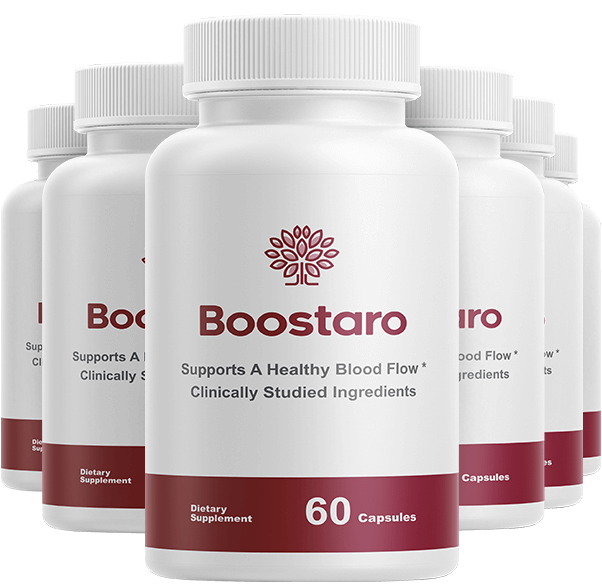
An ingredient list is useful only when it separates what is clearly disclosed from what is merely implied. Boostaro names seven active ingredients, but it does not provide seven individual doses. Two vitamins have stated amounts, while five other ingredients share one proprietary-blend total.
That distinction is central to a fair formula assessment. The serving size is two capsules, each bottle contains 60 capsules and one bottle provides 30 servings. Per serving, the label shows 500 mg of Vitamin C, 100 mcg of Vitamin K and a 725 mg blend.
Complete Boostaro Ingredients List
The seven ingredients are Vitamin C as ascorbic acid; Vitamin K as menaquinone; L-Citrulline; L-Lysine HCl; Pine Bark Extract from Pinus pinaster standardized to 95% proanthocyanidins; Magnesium Citrate; and Nattokinase.
The label does not state the exact menaquinone subtype. It also does not show separate amounts for L-Citrulline, L-Lysine HCl, Pine Bark Extract, Magnesium Citrate or Nattokinase. Those five share the 725 mg total.
Vitamin C: 500 mg
Vitamin C is present as ascorbic acid. Its familiar roles include supporting normal antioxidant defenses, collagen formation and immune function. In a circulation-minded formula, antioxidant and collagen support provide relevant background for maintaining normal tissues.
The 500 mg amount is transparent, making it easy to include in a full daily supplement tally. People already taking a multivitamin or standalone Vitamin C should consider their combined intake. Higher intakes may cause stomach upset or diarrhea in some individuals.
Vitamin K: 100 mcg
Vitamin K appears as menaquinone. It contributes to normal proteins involved in blood clotting and calcium-related processes. The precise menaquinone subtype is not listed, so buyers should not market or evaluate it as a specific K2 form without that detail.
This ingredient creates an important caution for warfarin and related anticoagulant users. Stable Vitamin K intake can matter to medication management. Starting a Vitamin K-containing supplement without professional input may disrupt that balance.
L-Citrulline
L-Citrulline is listed first in the proprietary blend, but its quantity is unknown. The body converts it into L-Arginine, which participates in nitric-oxide production. Nitric oxide is involved in normal blood-vessel relaxation and circulation, explaining the ingredient’s male-vitality positioning.
Because the dose is not stated, comparisons with clinical studies or standalone L-Citrulline supplements are limited. People using nitrates, blood-pressure drugs or prescription ED medicines should ask a professional about potential additive effects.
L-Lysine HCl
L-Lysine HCl supplies lysine in a hydrochloride form. Lysine is an essential amino acid involved in normal protein processes and provides supportive collagen-related context within a formula that also contains Vitamin C.
Its individual quantity is not disclosed, and direct male-performance evidence is limited. It should therefore be assessed as part of the formula’s nutritional background rather than as a proven driver of a specific sexual outcome.
Pine Bark Extract
Boostaro lists Pinus pinaster Pine Bark Extract standardized to 95% proanthocyanidins. These plant compounds provide antioxidant context and are commonly discussed in relation to endothelial function. The standardization detail is more informative than a generic botanical name alone.
The individual dose is unknown. The label also does not establish that the ingredient is branded Pycnogenol, so results from a particular branded extract should not automatically be transferred to this formula.
Magnesium Citrate
Magnesium supports normal muscle contraction, nerve signaling and energy metabolism. Citrate identifies the compound form used in the blend. These broad physiological roles make magnesium a sensible part of a daily wellness formula.
However, the label does not disclose the quantity of Magnesium Citrate or how much elemental magnesium it contributes. That prevents precise comparison with daily intake targets. Kidney concerns and certain medicines can change magnesium suitability or timing.
Nattokinase
Nattokinase is an enzyme derived from the traditional fermented food natto. It is often discussed in circulation-oriented supplements, but Boostaro does not state a separate dose or fibrinolytic activity units. Those missing details limit direct research comparisons.
Nattokinase deserves special caution due to bleeding-related considerations. People using anticoagulants or antiplatelet medicines, those with bleeding disorders and anyone preparing for surgery should seek medical guidance before use.
How the Proprietary Blend Changes the Assessment
A proprietary blend lets a manufacturer disclose a combined weight without revealing each component. In Boostaro, five ingredients share 725 mg. The order can indicate relative predominance by weight, but it does not reveal exact quantities or prove that any ingredient reaches a studied amount.
For some shoppers, the convenience of a combined formula outweighs that limitation. For dose-focused shoppers, it may not. The key is to avoid pretending the information is more precise than it is.
Other Label Questions Worth Asking
Read the entire bottle for inactive ingredients, capsule materials, allergens, manufacturing details, storage instructions and warnings. Those details can change and may matter as much as the active formula to someone with sensitivities or dietary preferences.
Do not infer “FDA approved” status from the presence of common nutrients. Dietary supplements are regulated differently from prescription drugs, and the standard disclaimer explains that supplement claims are not evaluated as drug approvals.
Who Should Use Extra Caution?
Anyone taking prescription medication should discuss the complete list with a qualified professional. Blood thinners, anticoagulants, antiplatelet medicines, nitrates, blood-pressure drugs, diabetes medicines and prescription ED products deserve particular attention. Surgery, bleeding concerns and kidney problems are also relevant.
Stop use for serious or unexpected symptoms. Chest pain, fainting, unusual bleeding, severe dizziness or allergic symptoms require appropriate medical attention, not experimentation with a different serving.
Ingredient-List Verdict
The Boostaro ingredients list has a clear identity: two disclosed vitamins plus a five-part proprietary blend oriented toward nitric-oxide pathways, antioxidant support, amino-acid nutrition, mineral function and circulation context. The 60-capsule bottle and two-capsule serving are simple to understand.
Its transparency is partial, not complete. You know every active ingredient and the total blend amount, but not five individual doses. That makes Boostaro a reasonable option for a convenience-focused buyer and a less ideal option for someone who insists on fully disclosed quantities. Use that distinction—and the medication cautions—to make a grounded decision.
A Simple Label-Comparison Method
When comparing Boostaro with another formula, use four columns: serving size, individually disclosed nutrients, proprietary-blend total and safety warnings. Do not compare ingredient names alone. One product may list the same botanical or amino acid while providing a different form, standardization or amount. Also compare the number of servings per bottle and the delivered cost per serving, not merely the bottle price.
This method keeps marketing claims separate from measurable facts. It also makes it easier to show the full list to a pharmacist or clinician. Bring photos of every supplement label you use so the combined Vitamin C, Vitamin K, Magnesium and circulation-related ingredients can be considered together.
Boostaro Ingredient Images
Vitamin C — 500 mg
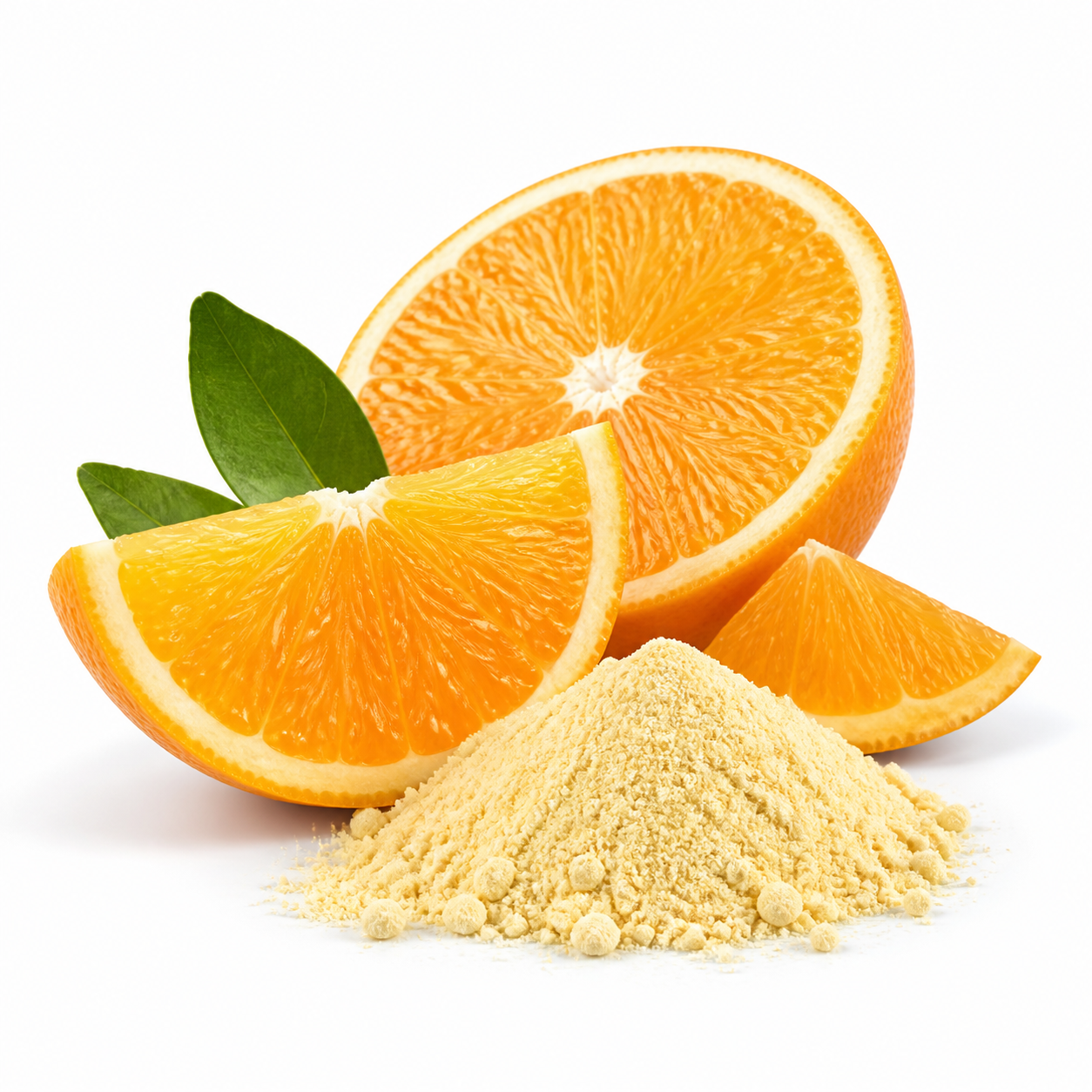
Vitamin C appears as ascorbic acid at 500 mg per two-capsule serving. It supports normal antioxidant function and collagen formation, both relevant to the maintenance of healthy tissues. Vitamin C also contributes to immune function, although Boostaro should not be interpreted as preventing illness or producing a guaranteed circulation outcome.
This is one of the formula’s fully disclosed quantities, which makes it easy to compare with your other supplements. Check the total Vitamin C you already consume, especially if you use a multivitamin. High supplemental intakes can cause digestive discomfort for some people and may not suit every medical situation.
Vitamin K — 100 mcg
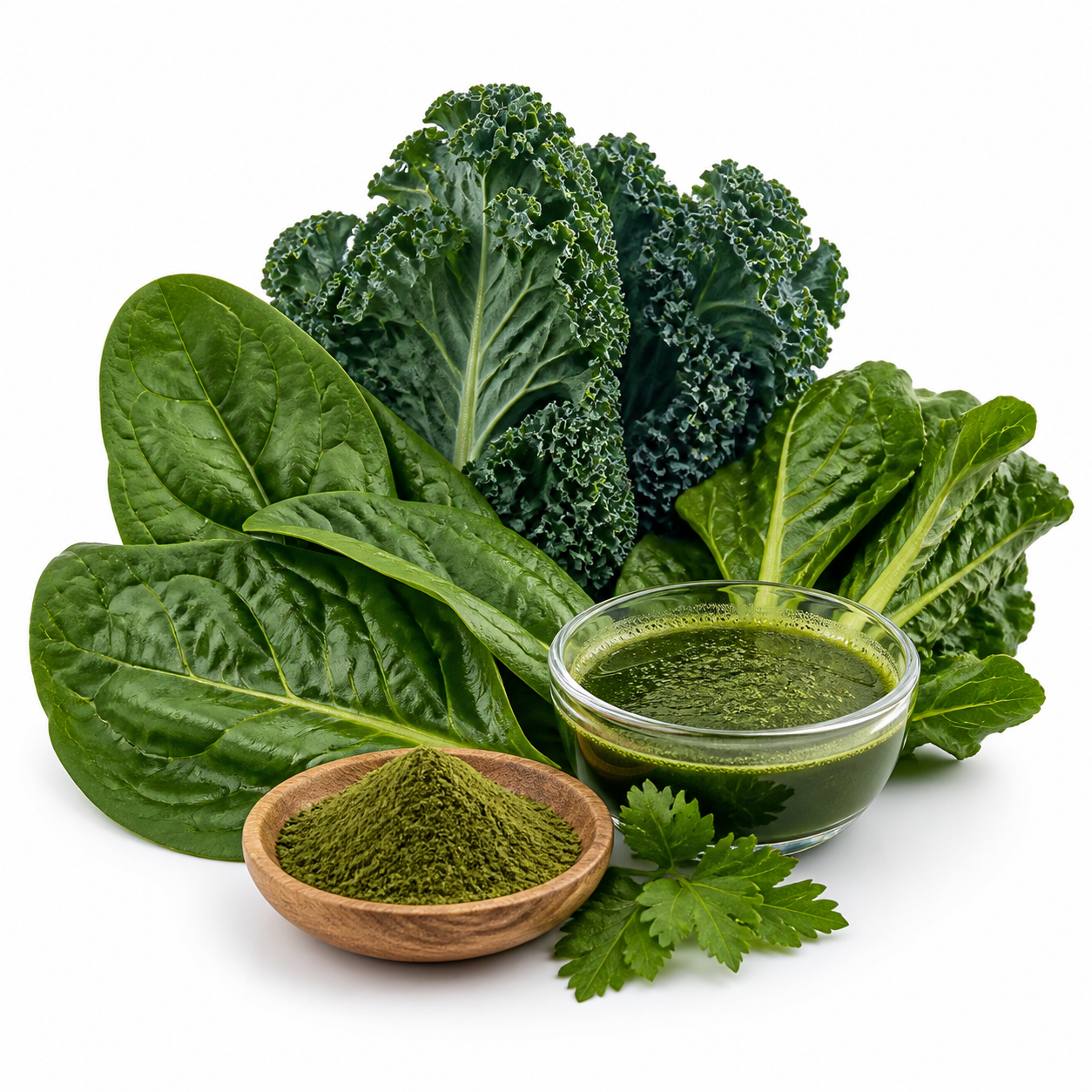
Vitamin K is listed as menaquinone at 100 mcg per serving. It supports normal vitamin-K-dependent processes, including proteins involved in healthy clotting and calcium handling. The label does not identify the precise menaquinone subtype, so shoppers should not assume it is a particular form such as MK-7.
Vitamin K can be especially important for people using warfarin or related anticoagulants because changes in intake may affect medication management. Anyone using those medicines should speak with a qualified healthcare professional before starting Boostaro rather than changing supplement intake independently.
L-Citrulline
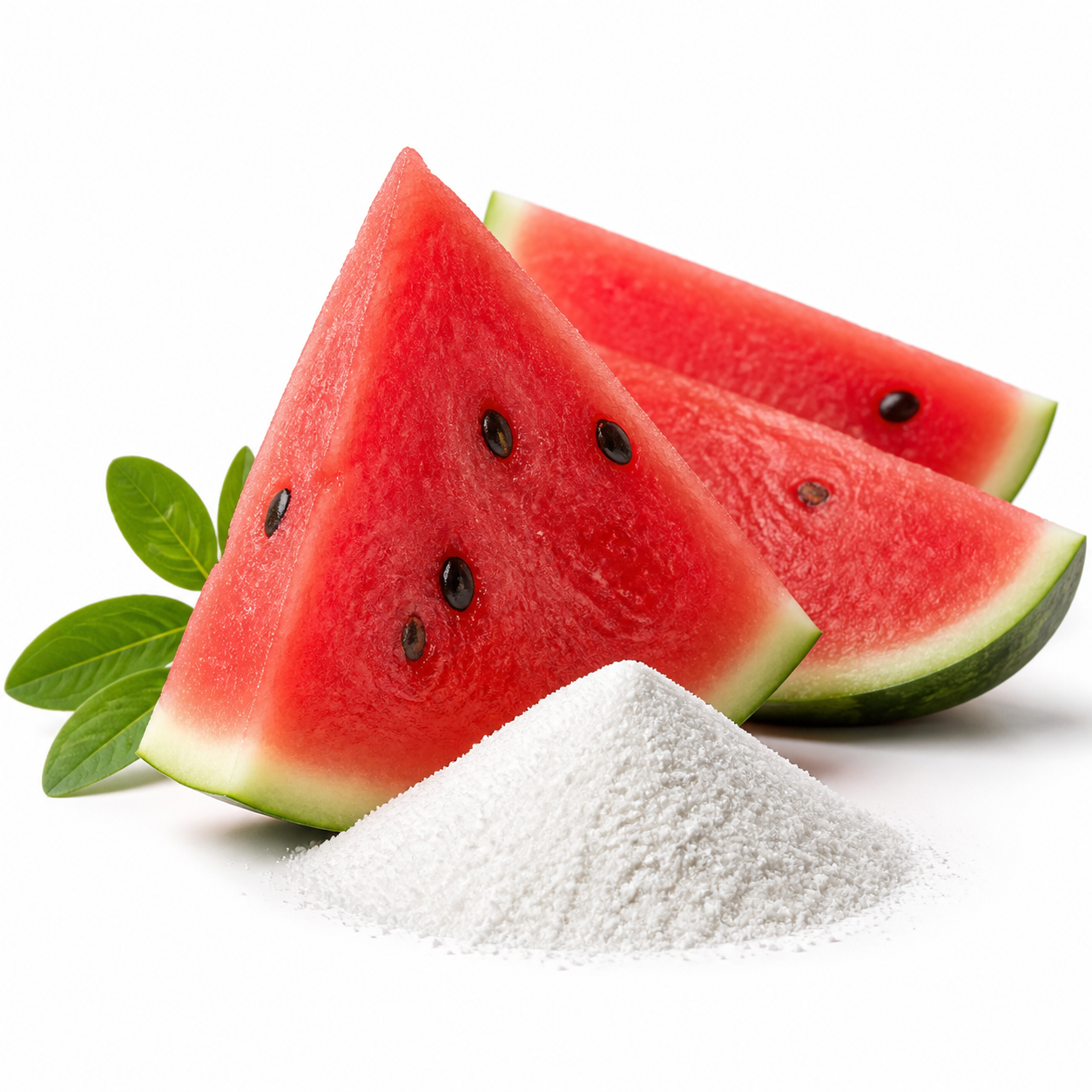
L-Citrulline is the first ingredient listed in the proprietary blend. The body can convert this amino acid into L-Arginine, which participates in nitric-oxide production. That connection explains why L-Citrulline often appears in formulas positioned around healthy blood flow, exercise support and male vitality.
Its individual amount is not disclosed, so the bottle does not allow a direct dose comparison with standalone L-Citrulline products or published trials. Men using nitrates, blood-pressure medicine or prescription ED drugs should get professional advice because circulation-related products can create unwanted combinations.
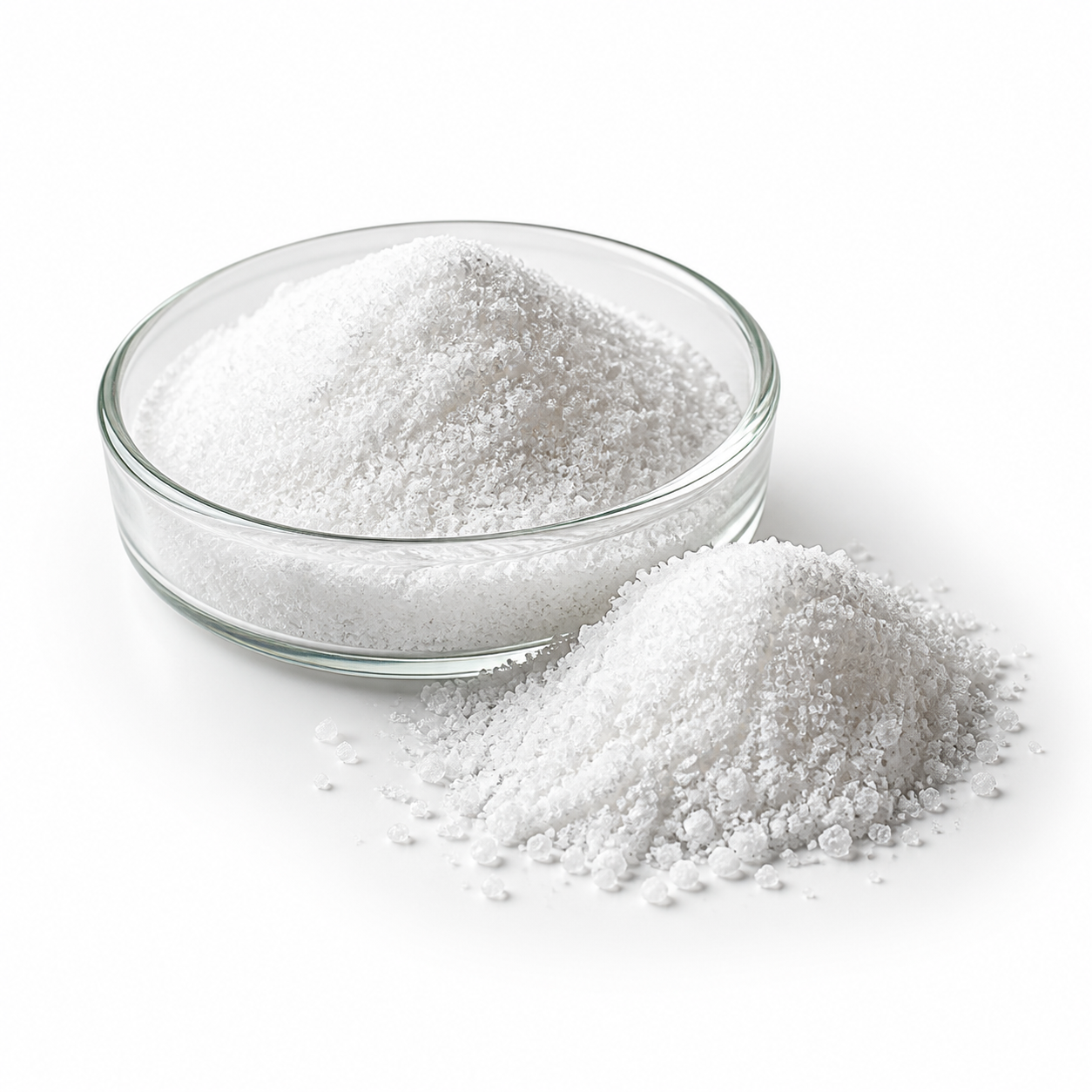
L-Lysine HCl
L-Lysine HCl provides the amino acid lysine in hydrochloride form. Lysine participates in normal protein and collagen-related processes, giving it a supportive nutritional role within the formula. Its direct relevance to male performance is less established than the nitric-oxide positioning of L-Citrulline.
The individual quantity of L-Lysine HCl is not stated because it shares the 725 mg blend. It should therefore be understood as one part of the complete formula rather than treated as a separately dosed performance ingredient.
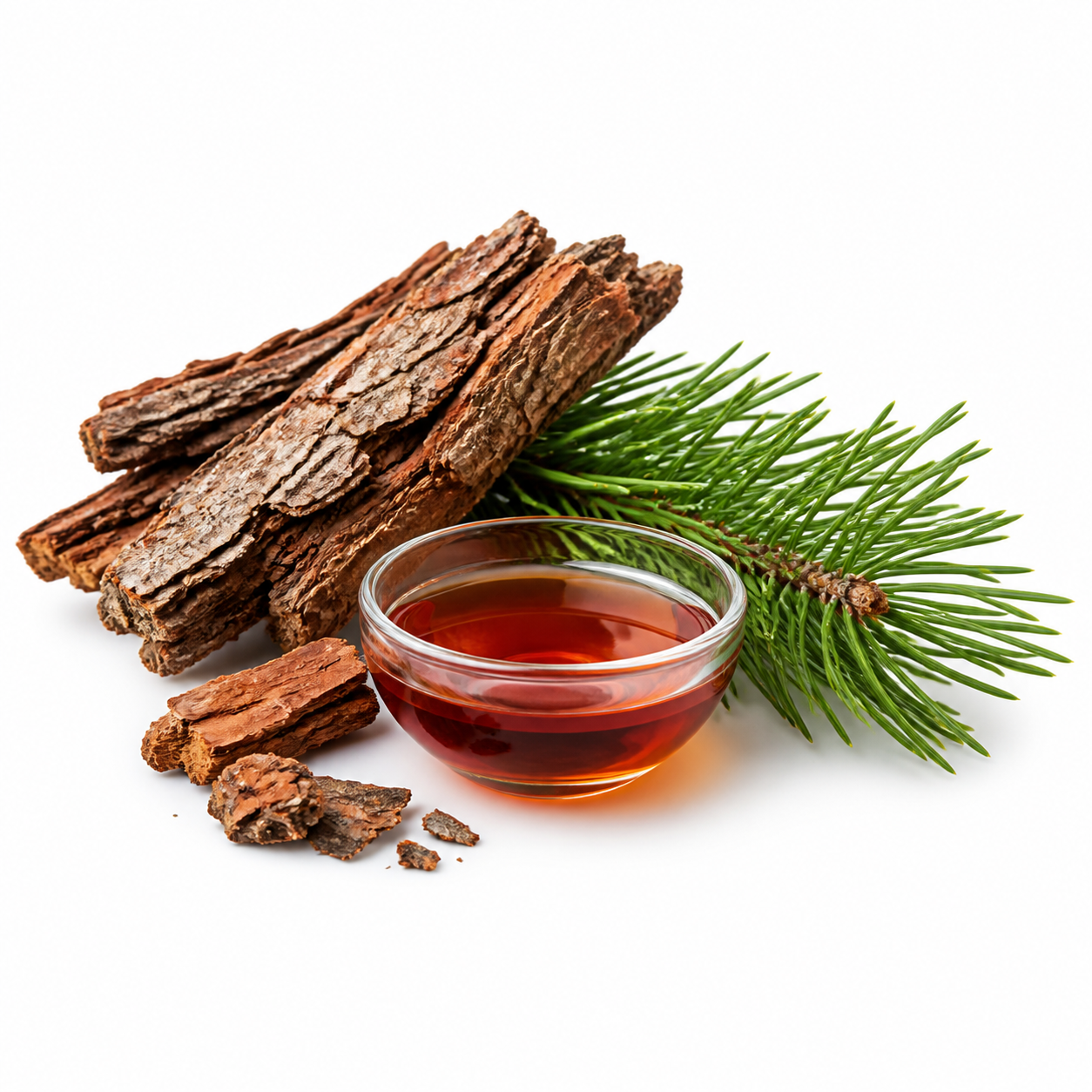
Pine Bark Extract
The label describes Pine Bark Extract as Pinus pinaster standardized to 95% proanthocyanidins. Proanthocyanidins are antioxidant plant compounds commonly discussed in connection with oxidative stress and endothelial function. This gives the extract a logical supporting place in a circulation-oriented blend.
The extract’s individual amount is not disclosed, and the label does not establish that it is a specific branded pine-bark ingredient. Evidence involving another standardized brand should not automatically be treated as proof of Boostaro’s complete formula or of an identical extract.
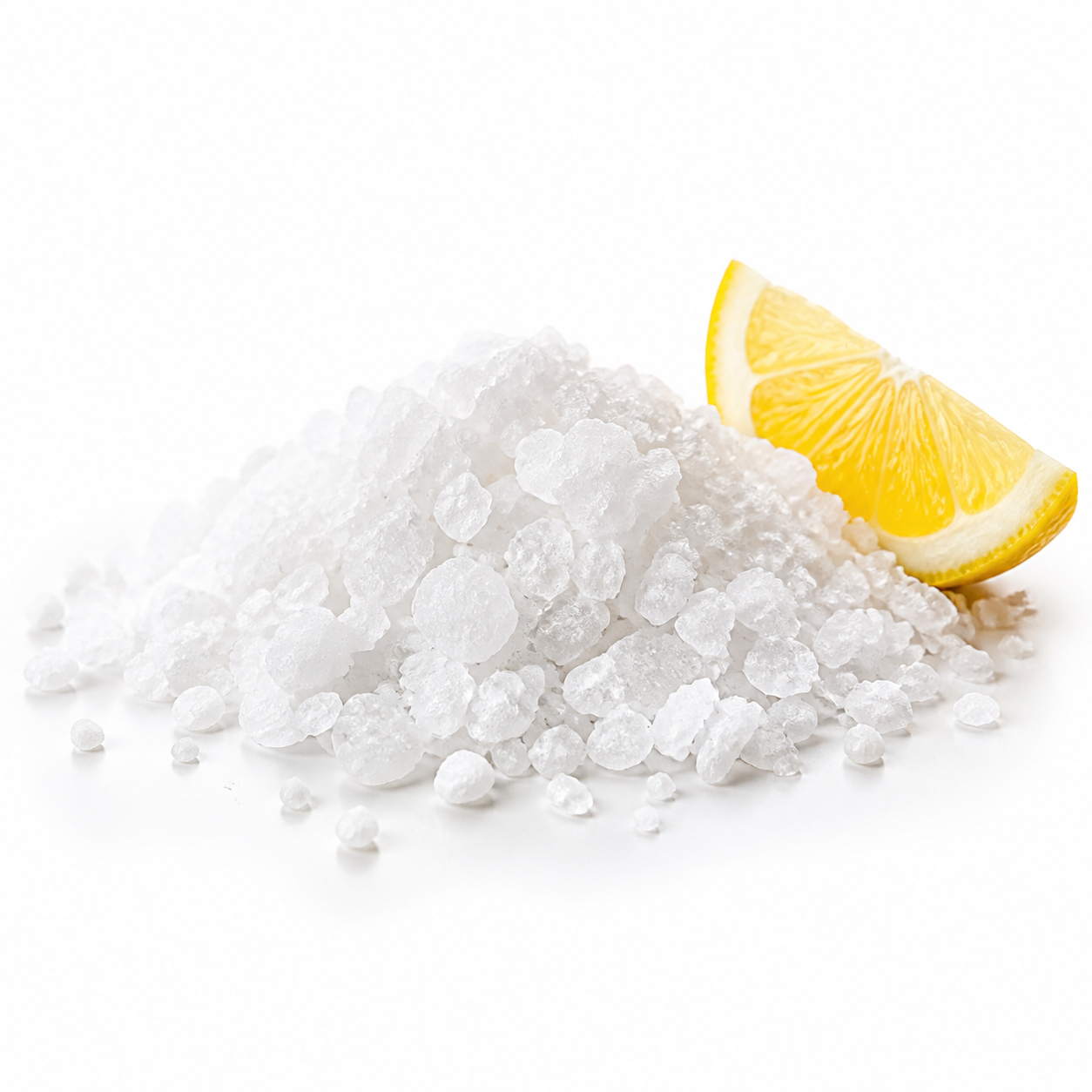
Magnesium Citrate
Magnesium Citrate is a mineral compound that can contribute to normal muscle contraction, nerve signaling and energy metabolism. Those broad functions make magnesium relevant to everyday activity and physical well-being, particularly when dietary intake is inadequate.
The label does not disclose the amount of Magnesium Citrate or its elemental magnesium contribution. That means shoppers cannot use Boostaro alone to calculate a precise daily magnesium total. People with kidney concerns or those taking medicines affected by magnesium should discuss timing and suitability with a professional.
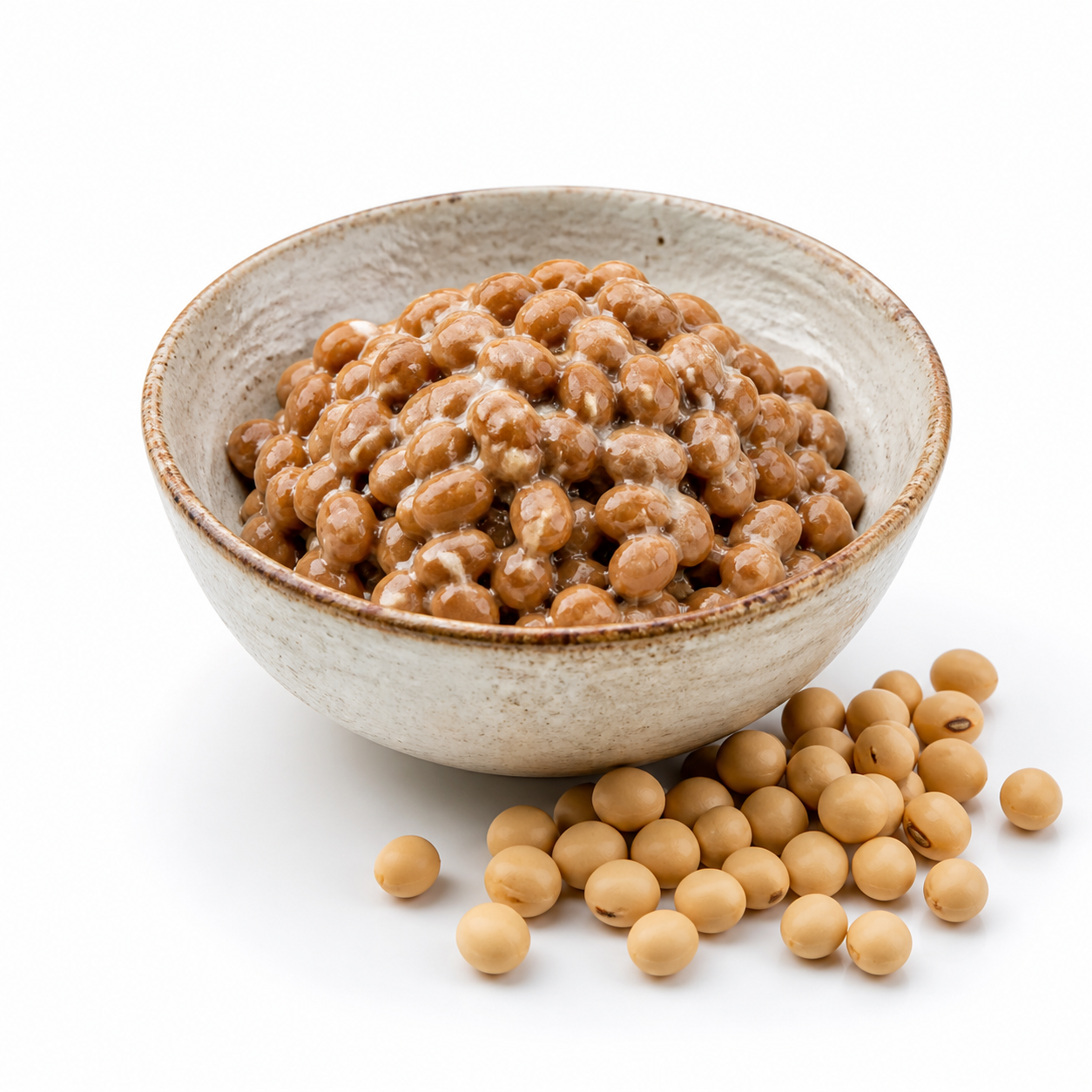
Nattokinase
Nattokinase is an enzyme derived from natto and commonly discussed in circulation-related supplement contexts. In Boostaro it appears in the proprietary blend, but neither a separate milligram amount nor enzyme activity in fibrinolytic units is disclosed.
This ingredient calls for special safety attention. People using blood thinners, anticoagulants or antiplatelet drugs, those with bleeding concerns, and anyone preparing for surgery should not begin the product without medical guidance. More is not necessarily better, and combining circulation-focused products can raise practical risks.