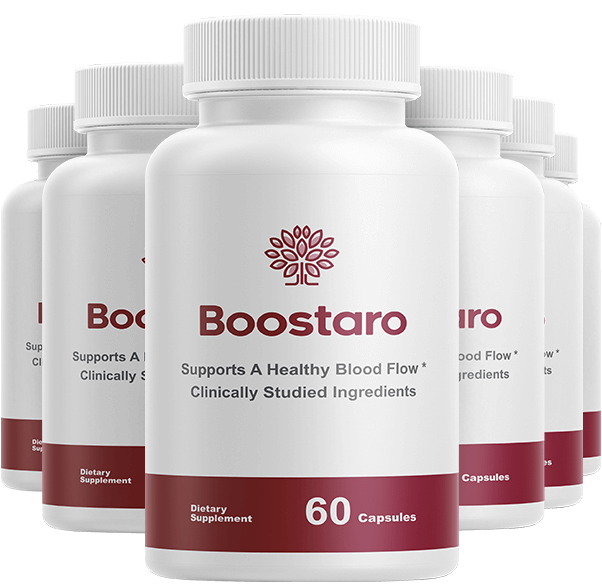
The label identifies seven active ingredients. Two have disclosed amounts, while five appear within a 725 mg proprietary blend. The complete entries below keep that difference clear so you can see both the proposed role and the practical limitation of each ingredient.
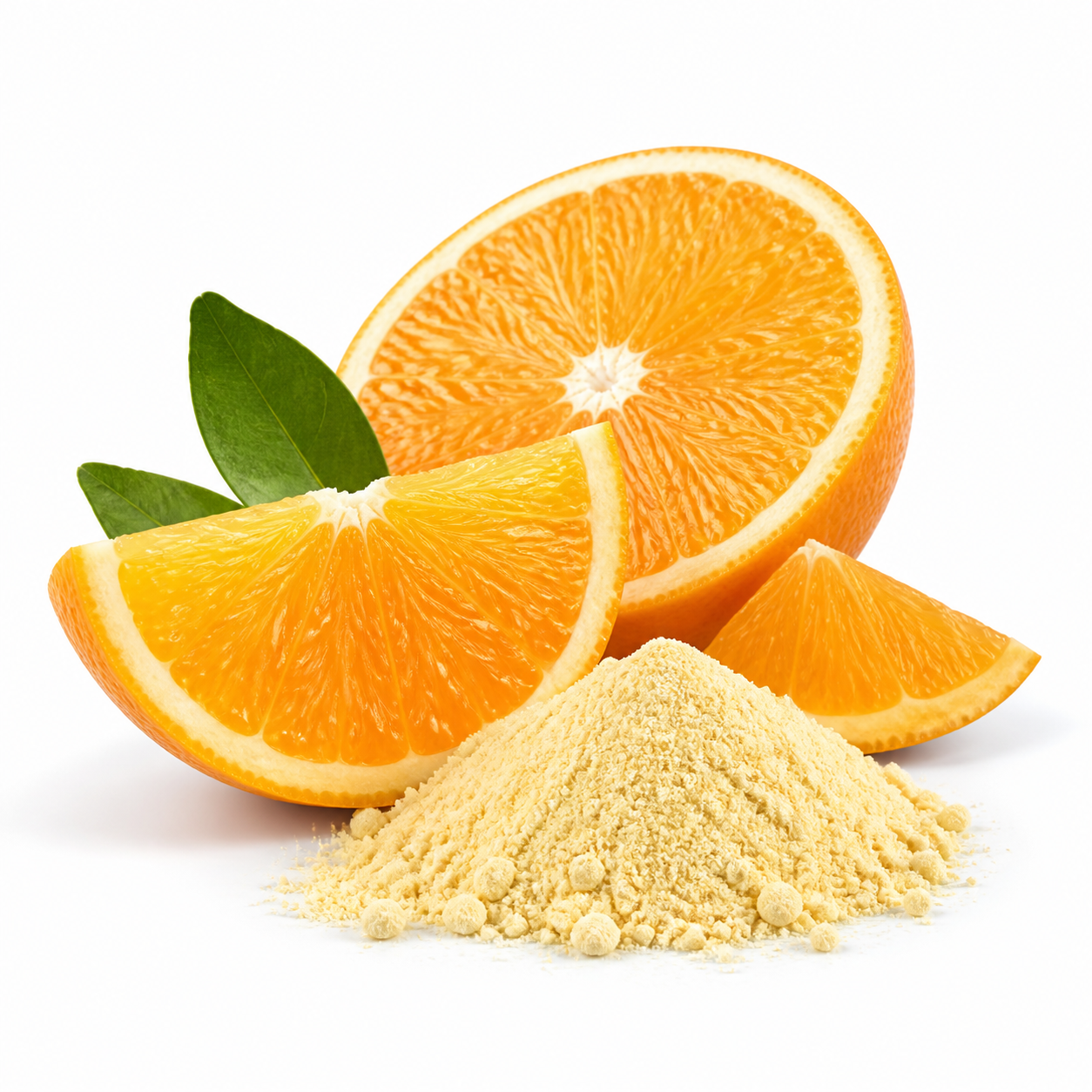
Vitamin C — 500 mg
Vitamin C appears as ascorbic acid at 500 mg per two-capsule serving. It supports normal antioxidant function and collagen formation, both relevant to the maintenance of healthy tissues. Vitamin C also contributes to immune function, although Boostaro should not be interpreted as preventing illness or producing a guaranteed circulation outcome.
This is one of the formula’s fully disclosed quantities, which makes it easy to compare with your other supplements. Check the total Vitamin C you already consume, especially if you use a multivitamin. High supplemental intakes can cause digestive discomfort for some people and may not suit every medical situation.
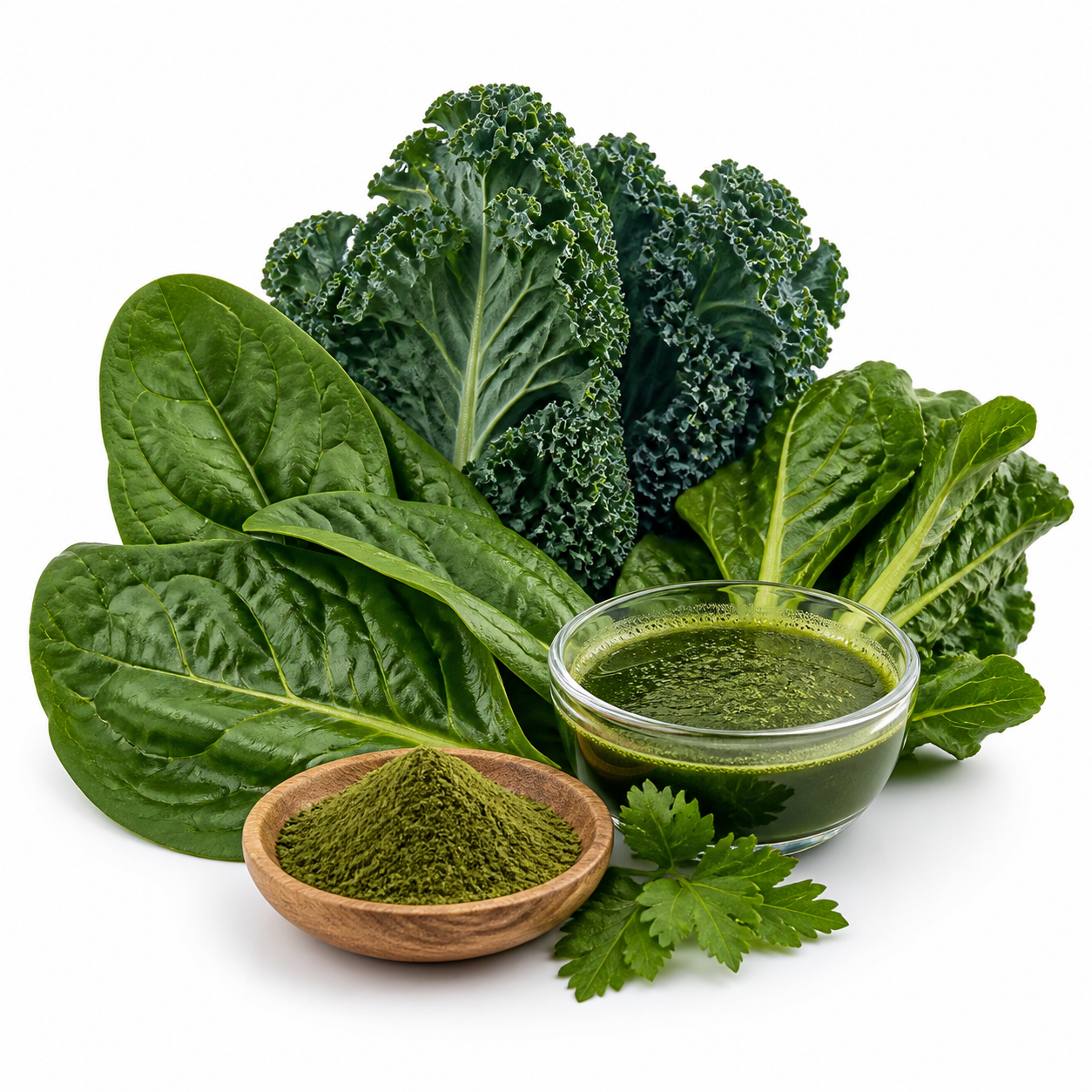
Vitamin K — 100 mcg
Vitamin K is listed as menaquinone at 100 mcg per serving. It supports normal vitamin-K-dependent processes, including proteins involved in healthy clotting and calcium handling. The label does not identify the precise menaquinone subtype, so shoppers should not assume it is a particular form such as MK-7.
Vitamin K can be especially important for people using warfarin or related anticoagulants because changes in intake may affect medication management. Anyone using those medicines should speak with a qualified healthcare professional before starting Boostaro rather than changing supplement intake independently.
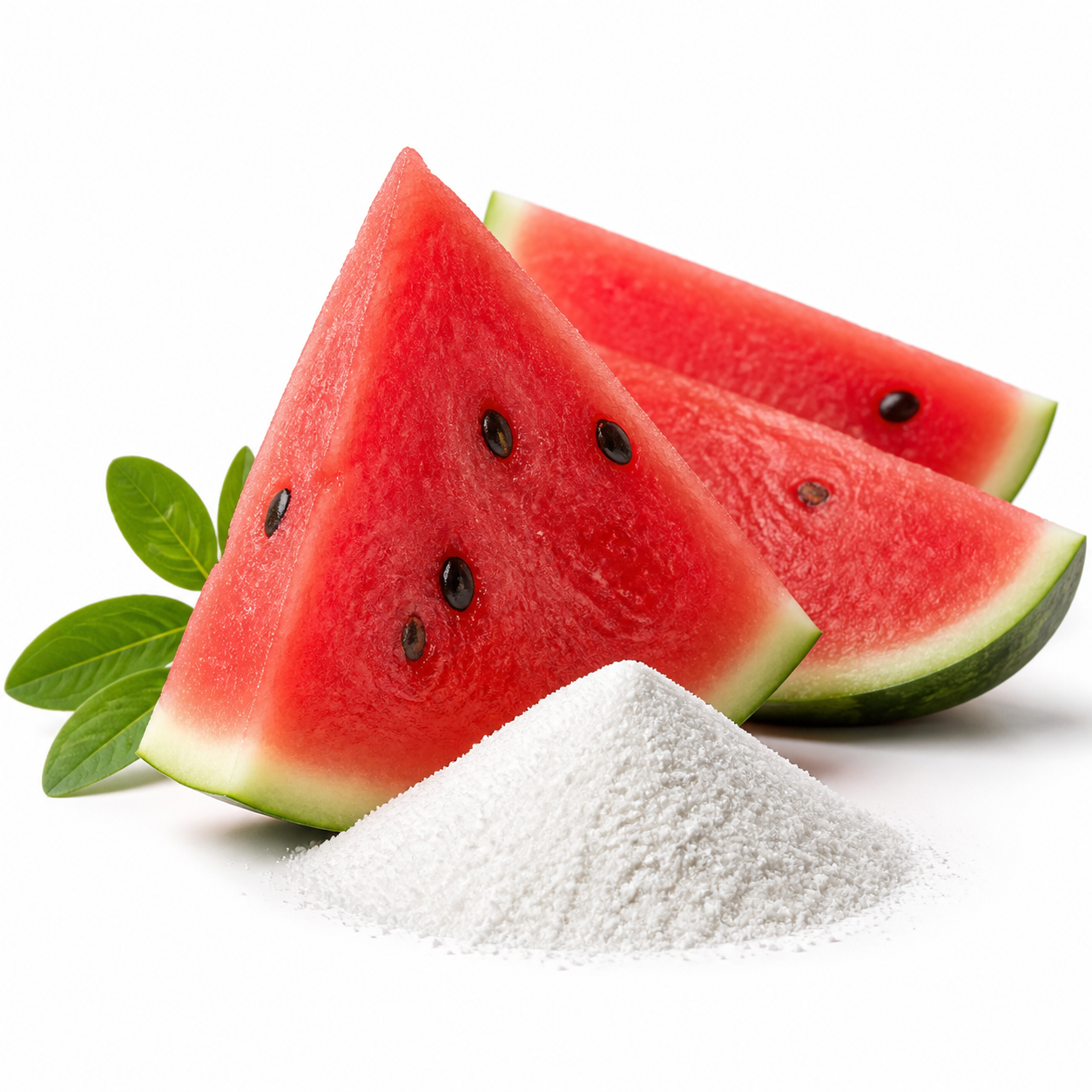
L-Citrulline
L-Citrulline is the first ingredient listed in the proprietary blend. The body can convert this amino acid into L-Arginine, which participates in nitric-oxide production. That connection explains why L-Citrulline often appears in formulas positioned around healthy blood flow, exercise support and male vitality.
Its individual amount is not disclosed, so the bottle does not allow a direct dose comparison with standalone L-Citrulline products or published trials. Men using nitrates, blood-pressure medicine or prescription ED drugs should get professional advice because circulation-related products can create unwanted combinations.
L-Lysine HCl
L-Lysine HCl provides the amino acid lysine in hydrochloride form. Lysine participates in normal protein and collagen-related processes, giving it a supportive nutritional role within the formula. Its direct relevance to male performance is less established than the nitric-oxide positioning of L-Citrulline.
The individual quantity of L-Lysine HCl is not stated because it shares the 725 mg blend. It should therefore be understood as one part of the complete formula rather than treated as a separately dosed performance ingredient.
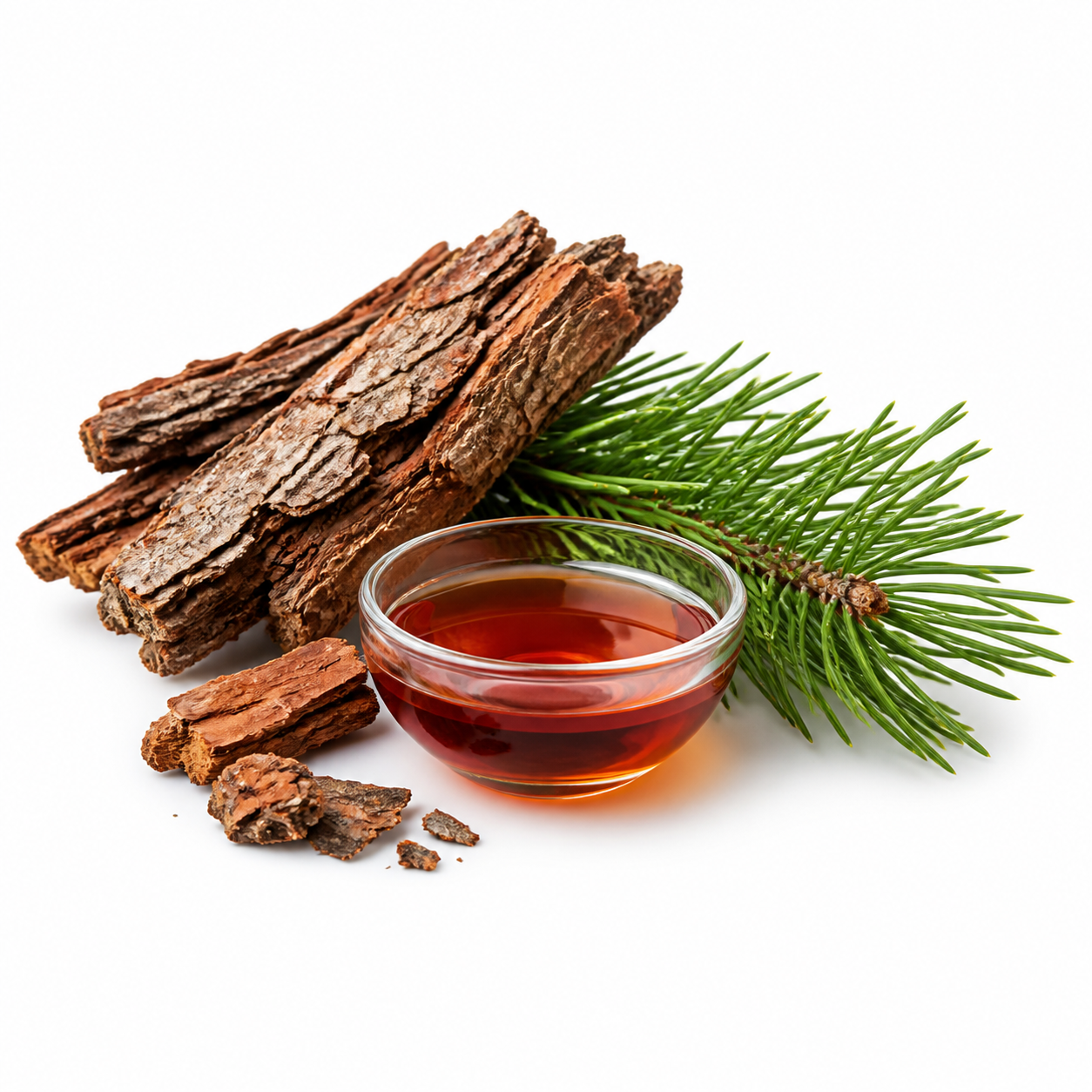
Pine Bark Extract
The label describes Pine Bark Extract as Pinus pinaster standardized to 95% proanthocyanidins. Proanthocyanidins are antioxidant plant compounds commonly discussed in connection with oxidative stress and endothelial function. This gives the extract a logical supporting place in a circulation-oriented blend.
The extract’s individual amount is not disclosed, and the label does not establish that it is a specific branded pine-bark ingredient. Evidence involving another standardized brand should not automatically be treated as proof of Boostaro’s complete formula or of an identical extract.
Magnesium Citrate
Magnesium Citrate is a mineral compound that can contribute to normal muscle contraction, nerve signaling and energy metabolism. Those broad functions make magnesium relevant to everyday activity and physical well-being, particularly when dietary intake is inadequate.
The label does not disclose the amount of Magnesium Citrate or its elemental magnesium contribution. That means shoppers cannot use Boostaro alone to calculate a precise daily magnesium total. People with kidney concerns or those taking medicines affected by magnesium should discuss timing and suitability with a professional.
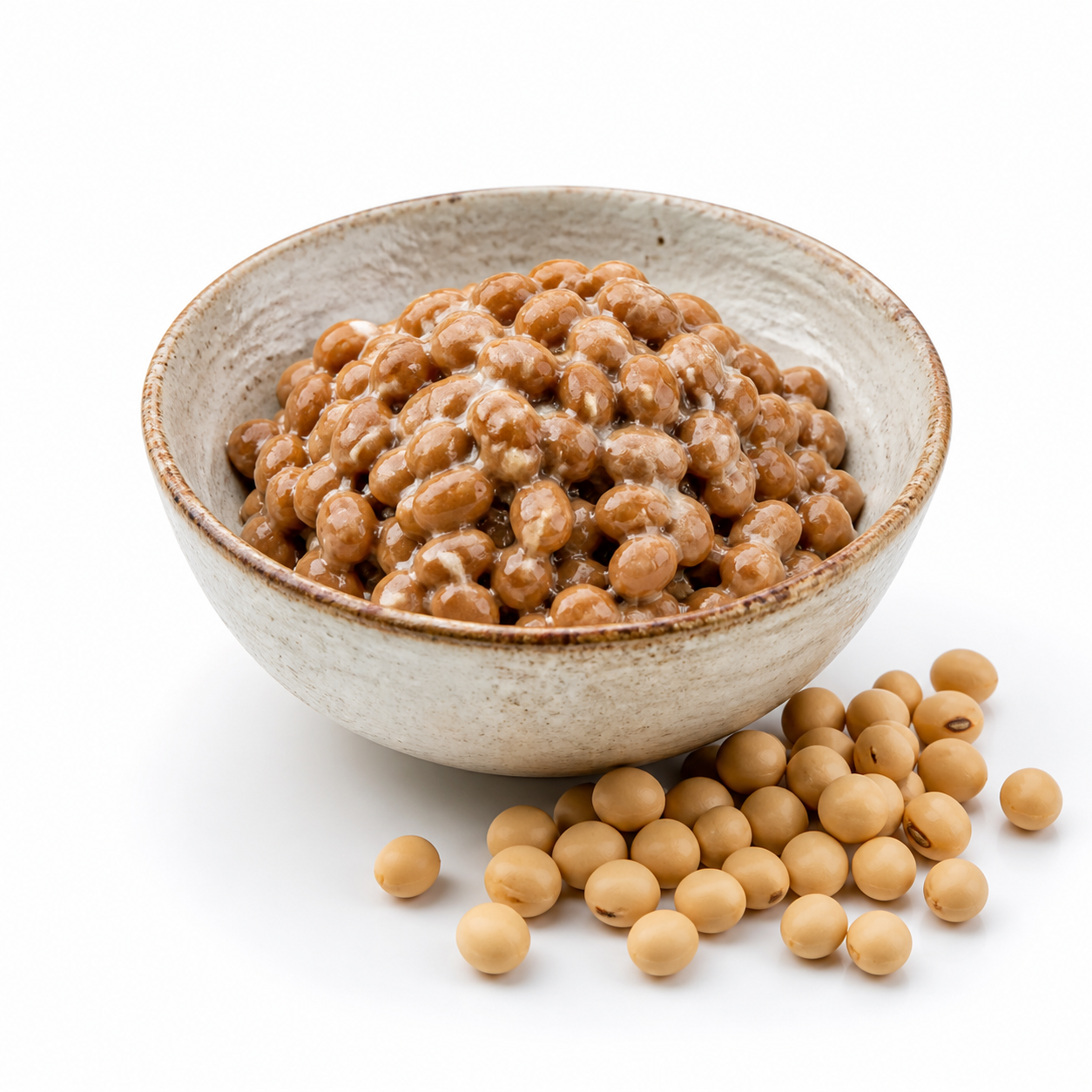
Nattokinase
Nattokinase is an enzyme derived from natto and commonly discussed in circulation-related supplement contexts. In Boostaro it appears in the proprietary blend, but neither a separate milligram amount nor enzyme activity in fibrinolytic units is disclosed.
This ingredient calls for special safety attention. People using blood thinners, anticoagulants or antiplatelet drugs, those with bleeding concerns, and anyone preparing for surgery should not begin the product without medical guidance. More is not necessarily better, and combining circulation-focused products can raise practical risks.